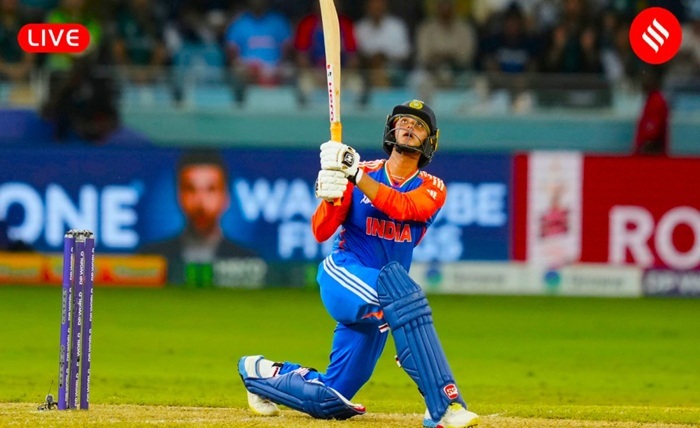
Cricket highlights look simple when they are done well. A clean cut. A readable text overlay. A beat that lands exactly when the ball hits the bat. What makes this hard is timing. Live matches move fast, and creators often clip too late, label moments wrong, or use templates that fight the footage instead of supporting it. For a CapCut template audience, the best approach is not to chase every ball. It is to build a repeatable workflow that turns real match moments into short-form edits in minutes, even on a phone. Live match pages help because they keep the “what just happened” context clear. CapCut templates help because they keep the visual structure consistent. Put together, they make cricket edits feel polished without turning the process into a long project.
Match context first – then the template does its job
With a short setup, desi bet phrasing fits naturally inside a creator’s process because live match context needs to be confirmed before any clip gets dressed up with effects. A live cricket page is useful here for one reason: it keeps match flow easy to scan in real time, which makes captions and moment labels more accurate. When context is clear, the edit stays clean. The template can focus on rhythm, typography, and transitions instead of trying to “explain” confusion.
Creators who build cricket content around wickets, sixes, partnerships, and last-over swings get the most value from a single reference point for match status. It reduces guesswork and keeps posts consistent across a whole tournament. A quick check before posting also prevents the classic mistake of mismatched overlays – wrong over number, wrong player name, or a “turning point” label that does not match the match story. Once the moment is identified, the rest becomes a template choice.
Picking CapCut templates that match cricket pacing
Cricket has its own editing rhythm. A six is a punch. A wicket is a snap. A long partnership is a slow build. Template selection should respect that. Fast “flash” templates work for boundaries and quick collapses. Smooth “cinematic” templates work for calm chases and steady innings. Split-screen templates work for contrasts – batter dominance versus bowler control. Text-first templates work for match-day updates where viewers want the key point in one glance.
The practical test is simple. If the template forces too many cuts for the clip length, it will look jittery. If the template is too slow for a high-energy moment, the impact will fade. A good template feels like it was made for the moment type. It also keeps text readable on small screens, because most viewers watch Reels and Shorts with the phone held low and attention split.
A fast clipping routine that stays consistent
A strong cricket edit starts with disciplined clipping. The goal is to capture the “moment window,” not the entire over. Most cricket reels work best at 7–15 seconds. That range keeps retention high and makes the template’s structure feel intentional. The moment window usually includes one lead-in second, the action, and a short reaction beat. Anything beyond that tends to dilute the point.
This routine works because it is repeatable. It also fits match nights, where content is produced between overs, during breaks, or right after a key swing. One clean habit matters here. Save clips into a single album so they are easy to find and batch-edit later. That prevents footage from getting buried under screenshots, chat media, and random downloads.
Text overlays that look sharp and stay truthful
Cricket captions and overlays should be specific, not loud. A short label that matches the moment is more effective than generic hype. Use the overlay to clarify what the viewer is seeing: “Last over squeeze,” “Two wickets in three balls,” “Chase pressure spike.” Keep it readable with high contrast and consistent placement. Most templates already offer text zones. The job is to keep words short and avoid stacking multiple lines that block the action.
Accuracy matters more than speed. If match context is unclear, the edit should wait. A slightly later post with a correct label builds trust. A rushed post with a wrong label trains followers to ignore future updates. This is especially true for cricket edits where viewers often know the match story already and will spot errors instantly.
A mini template kit for match-day posting
A creator does not need dozens of templates. A small kit covers most match situations and makes content feel consistent across a season:
- Flash-cut template for sixes and quick boundary streaks.
- Snap-transition template for wickets and collapse moments.
- Cinematic template for steady partnerships and calm chases.
- Text-first template for score context and quick match updates.
- Split-screen template for before-and-after momentum swings.
This kit keeps decision-making fast. It also helps accounts look cohesive, which is a major advantage on Reels-heavy profiles.
The next move that makes cricket edits easier every week
The next step is to lock in a simple workflow and repeat it. Use a live match page as the context reference before posting. Identify the moment type. Clip a tight 7–15 second window. Choose a template that matches pacing. Keep text minimal and accurate. Then publish with consistent formatting so followers recognize the style instantly. This is the practical way to build a match-day content system that looks polished on mobile and stays manageable across a full cricket season.